Common Lawn Diseases in Cardiff and How a Regular Lawn Cutting Service Can Help
Understanding lawn diseases and how proper lawn cutting can help to prevent them
Cardiff Lawn Cutting
12/20/20254 min read
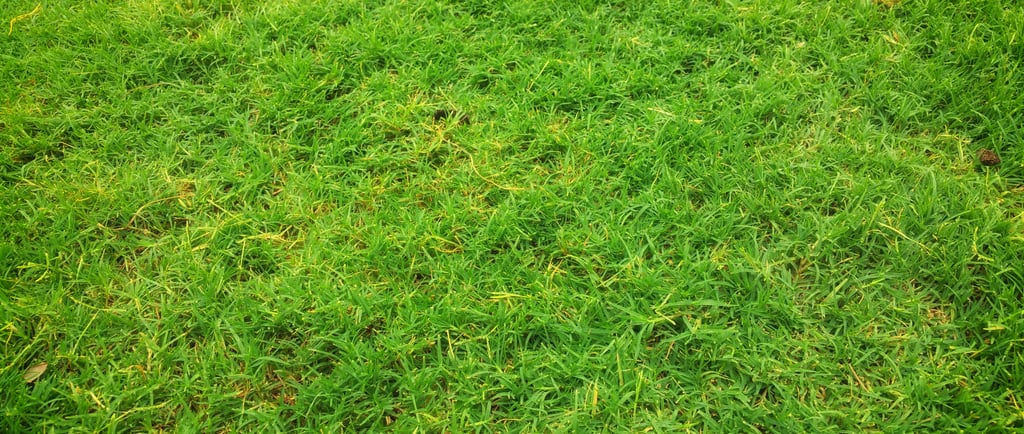
A beautiful, healthy lawn is a point of pride for many Cardiff homeowners. However, lawns across South Wales—including Cardiff—can be affected by a range of common turf diseases that can damage grass, create bare patches, or make lawns look uneven and unhealthy. The good news is that a regular lawn cutting service plays a key role in helping to prevent, manage, and reduce the impact of these lawn diseases.
In this article, we’ll explore the most common lawn diseases seen in Cardiff, explain why they happen, and show how routine lawn maintenance such as lawn mowing, aeration, and proper care can make your lawn stronger and more resilient.
What Causes Lawn Diseases in Cardiff?
Cardiff’s mild, wet climate and frequent rain make conditions ideal for fungal diseases to develop in lawns. When the grass stays damp for long periods, fungal spores can germinate and spread. These fungi attack grass blades or roots, leading to weakened turf that becomes patchy or discoloured.
While disease can affect even well-kept lawns, poor lawn care practices—such as irregular mowing, incorrect fertilisation, and compacted soil—make lawns even more susceptible.
Common Lawn Diseases in Cardiff
Below are the most commonly diagnosed lawn diseases in Cardiff and the South Wales region:
1. Red Thread (Laetisaria fuciformis)
Red thread is one of the most frequently observed lawn diseases in the UK. It appears as reddish or pinkish patches in the grass, particularly during wet or humid weather. These patches may start small but can spread quickly across a lawn. Red thread is a fungal disease that usually indicates the grass is under some stress—often due to low nitrogen levels or compacted soil. RHS+1
Symptoms:
Pink or red filamentous growth on grass blades
Reddish-brown patches on your lawn
Most common in late spring, summer, and autumn
Red thread rarely kills grass, but it does make the lawn look less vibrant and uneven if left unchecked.
2. Fusarium Patch (Microdochium nivale)
Also known as snow mould, Fusarium patch is another common fungal disease seen in Cardiff lawns, especially in autumn, winter, and early spring. The disease often develops when grass stays wet and cool for long periods.
Symptoms:
Circular brown or yellowish patches
White or pink cotton-like fungal growth on grass blades
Patches can merge into larger unsightly areas
Fusarium patch is more serious than red thread and may take longer for grass to recover, especially if conditions stay damp.
3. Lawn Rust Disease
Rust diseases cause tiny orange, yellow, or brown pustules on grass blades. While it typically doesn’t kill the grass, rust can make the lawn look unhealthy. Rust is encouraged by wet, humid weather—which is common in Cardiff in late summer and autumn. RHS
Symptoms:
Orange/brown rust coloured powder or spores on grass
Yellowing or weakened grass blades
Rust disease is often more noticeable on long grass or lawns shaded by trees.
4. Slime Moulds
Slime moulds are not actually plant diseases—they don’t infect or kill grass—but they can look alarming. These organisms form slimy colonies on lawns, especially during damp autumn conditions.
Symptoms:
Irregular slimy patches or crusty shapes
Often yellow, white or grey in colour
Slime moulds usually disappear on their own, but they can be visually unappealing.
5. Moss and Other Turf Issues
While not a fungal disease per se, moss often invades lawns where grass is weak, soil is compacted, or drainage is poor—conditions that also encourage lawn fungi. Moss thrives in shaded, damp areas and can quickly take over bare patches if left untreated. Lawn and Weed Expert
Symptoms:
Dark green, velvety patches
Lawn feels spongy underfoot
Grass thin or absent in mossy areas
Moss itself does not directly harm grass roots, but its presence often points to underlying problems that invite fungal diseases.
Why Regular Lawn Cutting Services Help Prevent Lawn Diseases
A regular lawn cutting service does much more than keep your grass neat and at the right height. Skilled professionals deliver a range of benefits that help prevent and lessen the impact of lawn diseases common in Cardiff.
1. Promotes Even Growth and Vigorous Turf
Consistent mowing encourages grass to grow evenly. Healthy, dense turf is less prone to disease because it competes better with pathogens. Mowing also removes weak top growth and helps the lawn recover quickly from wet weather stress.
2. Removes Diseased Grass Clippings
Grass clippings left on the lawn can sometimes harbour fungal spores. A lawn cutting service can collect and remove clippings when needed, reducing the spread of disease and keeping the lawn surface cleaner.
3. Maintains Ideal Grass Height
Both overly long and too-short grass can encourage disease:
Long grass stays wet longer and is more susceptible to fungal growth.
Cutting too short stresses the turf and weakens grass blades.
Experienced professionals know the optimal mowing height for Cardiff lawns, helping to maintain grass at a length that resists disease.
4. Improves Air Circulation and Sunlight
Regular cutting opens up the lawn surface, allowing better airflow and sunlight penetration—two key factors that reduce leaf wetness and lower fungal activity.
5. Early Detection and Professional Advice
Regular visits mean trained eyes are inspecting your lawn on a schedule. Professionals can spot early signs of disease before patches spread extensively. Early detection lets you take corrective action faster—whether that involves adjusting care routines or applying targeted treatments.
Tips for Cardiff Homeowners to Reduce Lawn Disease
In addition to hiring a lawn cutting service, Cardiff homeowners can take simple steps to keep lawns healthy:
Avoid watering late in the evening to reduce prolonged moisture on grass blades.
Aerate compacted soil to improve root growth and drainage.
Fertilise correctly—not too much nitrogen in autumn, which can encourage disease.
Trim back overhanging vegetation to increase airflow.
Scarify annually to remove thatch and reduce sheltered wet spots.
Final Thoughts: Healthy Lawns Are Disease-Resistant Lawns
Common lawn diseases like red thread, Fusarium patch, and rust can affect lawns in Cardiff thanks to the region’s moist climate. However, with consistent care, proper mowing practices, and support from a professional lawn cutting service, most of these issues can be minimised or prevented altogether.
Investing in a regular lawn maintenance plan not only keeps your turf looking neat and attractive but also builds stronger, more resilient grass that can stand up to Cardiff’s changeable weather—and the fungal diseases that come with it.