How Grass Survives Drought: Coping with Long Hot Periods and Recovering Strong
Why you shouldn't panic during a drought and how your lawn has built in mechanisms to survive
Cardiff Lawn Cutting
12/20/20253 min read
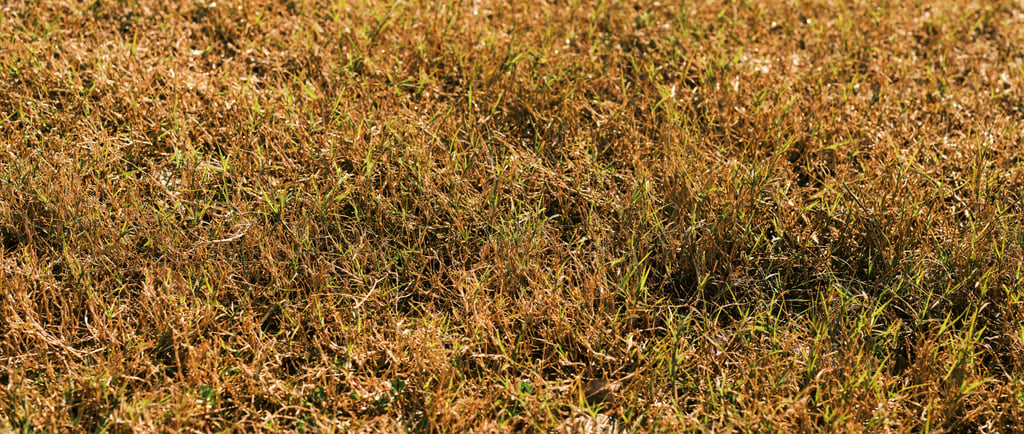
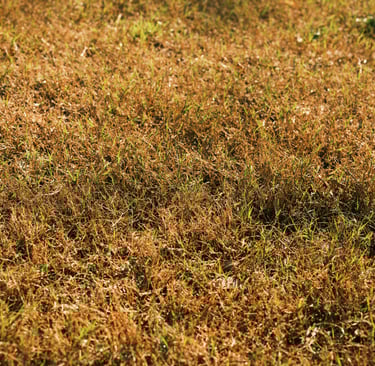
During the hot, dry periods that occasionally hit the UK, many homeowners worry about their lawns turning brown, patchy, or lifeless. Grass, however, is remarkably resilient. Even during long stretches without rain, your lawn can survive, recover, and return to its lush, green appearance—if cared for properly. Understanding how grass reacts to drought and the steps you can take to help it recover is essential for maintaining a healthy garden in Cardiff, across Wales, and the wider UK.
How Grass Survives Drought
Grass has evolved to withstand periods of stress, including heat and drought. When faced with long hot spells and minimal rainfall, grass activates several survival mechanisms:
1. Dormancy
One of the most important survival strategies for grass is dormancy. During prolonged dry periods, grass slows down its growth and turns brown to conserve water and energy. This is similar to how trees shed leaves in autumn to survive winter. While it may look dead, the grass is still alive at the root level.
2. Deep Root Growth
Many grass species naturally grow deep roots that can access moisture far below the soil surface. During dry periods, these roots allow the grass to survive by drawing water from deeper layers, even when the topsoil is dry. Lawns with established root systems tend to survive hot weather much better than newly sown grass.
3. Reduced Metabolism
Grass also reduces its metabolic activity during drought. By slowing down photosynthesis and other biological processes, it uses less water and nutrients, which increases its chances of survival until conditions improve.
4. Water Retention and Adaptation
Some grass types, such as fescues, have narrow leaves and waxy coatings that reduce water loss through evaporation. Grasses adapted to temperate climates like the UK have evolved these features to survive occasional periods of heat and drought.
Signs of Drought Stress in Your Lawn
Even though grass can survive dry spells, prolonged heat can still stress your lawn. Common signs include:
Grass turning brown or straw-like
Footprints or mower tracks remaining visible after walking
Soil that is hard or cracked on the surface
Slower growth once rainfall resumes
Recognising these signs early can help you take the right steps to help your lawn recover.
How Grass Recovers After Drought
Once rainfall returns or irrigation is applied, grass can bounce back, often quite quickly. Recovery depends on proper care and patience.
1. Rehydration
Grass begins recovery when its roots absorb water. Deep watering is more effective than frequent, shallow watering because it encourages roots to grow deeper, making the lawn more resilient to future droughts.
2. Gradual Regrowth
After water is reintroduced, dormant grass starts to green up and grow again. Growth may initially be slow, but with regular care—including mowing, feeding, and overseeding—your lawn can regain its lush, healthy appearance.
3. Soil and Root Health
Healthy soil is essential for recovery. During dry periods, the soil may become compacted, making it harder for roots to take up water and nutrients. Aeration can relieve compaction, improve water penetration, and help grass recover faster.
4. Fertilisation
Applying a slow-release fertiliser after drought can provide essential nutrients to help grass regrow and strengthen its roots. Avoid over-fertilising immediately after stress, as this can shock weakened grass.
Tips to Help Your Lawn Survive and Recover
Homeowners can take several practical steps to reduce drought damage and speed up recovery:
Avoid Heavy Traffic: Walking or mowing a dry lawn can stress dormant grass and damage roots.
Raise Mower Height: Cutting less frequently and leaving longer grass helps shade roots and conserve soil moisture.
Water Deeply and Infrequently: Focus on watering early in the morning or late evening to reduce evaporation.
Aerate Your Lawn: Use a garden fork or aerator to relieve compaction and improve water absorption.
Overseed Bare Patches: Once conditions improve, overseeding helps fill in damaged areas.
Feed Appropriately: Use a slow-release fertiliser to encourage healthy regrowth and root development.
Grass Varieties That Handle Drought Better
Some grass species naturally tolerate heat and drought better than others. In the UK, including Cardiff, the following types are recommended for resilience during dry spells:
Fescues: Fine fescues (red fescue, chewings fescue) are drought-resistant and survive well in poor soil.
Ryegrass: Perennial ryegrass is fast-growing and recovers quickly once watered.
Kentucky Bluegrass: Though slower to establish, it has deep roots that help during dry periods.
The Role of Professional Lawn Cutting services during a draught:
A professional lawn cutting and maintenance service can make a significant difference in how well your lawn survives and recovers from drought:
Expert mowing: Correct mowing height reduces stress on grass during dry spells.
Irrigation advice: Professionals can recommend the best watering methods for your lawn.
For Cardiff homeowners, hiring a professional lawn cutting service ensures your lawn is resilient, well-cared for, and recovers quickly after periods of drought.