Why Customers Shouldn’t Worry When Rye Grass Starts Growing Seed
Some people mistake grass seeding itself with a weed infestation or that the grass is no longer healthy. Here we put you at ease and help you understand what is actually going on.
12/20/20253 min read
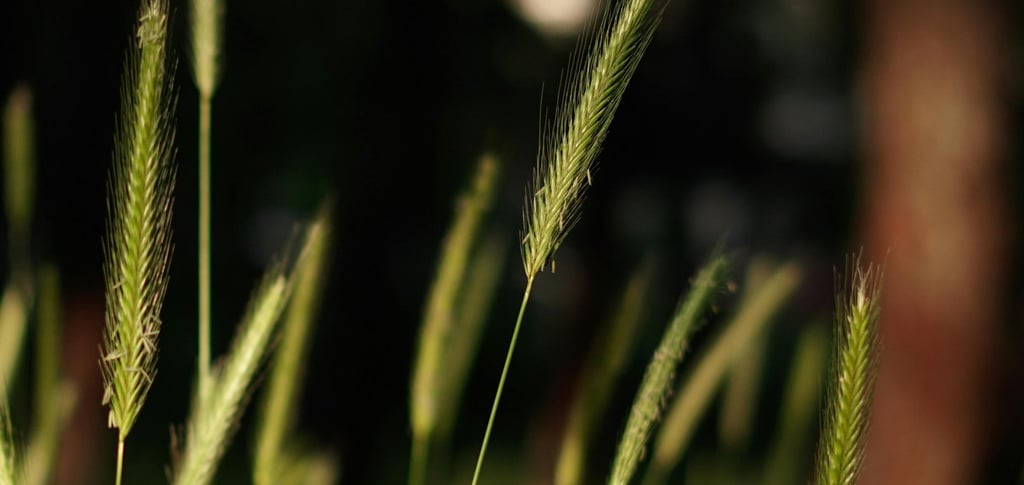
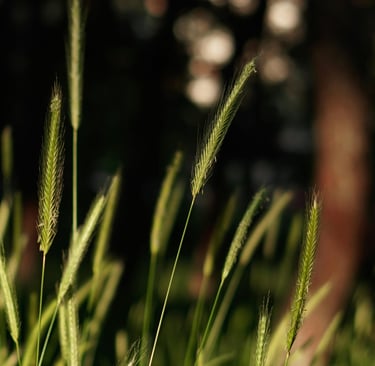
When customers notice rye grass producing seed heads, it’s common for concern to set in. Many assume seeding means the lawn is stressed, unhealthy, or about to decline. In reality, rye grass growing seed is a normal, seasonal, and harmless process. Understanding why this happens can help homeowners feel confident that their lawn is still healthy, strong, and well-maintained.
This guide explains what rye grass seeding means, why it occurs, and why customers don’t need to worry—while also offering simple lawn care tips to maintain a neat appearance.
What Does It Mean When Rye Grass Goes to Seed?
Rye grass naturally produces seed as part of its reproductive life cycle. When conditions are right—typically during spring or early summer—the grass sends up seed heads to reproduce. This process happens regardless of lawn quality and is not a sign of damage or disease.
In fact, even professionally maintained lawns, sports fields, and golf courses experience rye grass seeding at certain times of the year. It’s a biological response, not a problem.
Key point:
Seed heads are normal and temporary.
Rye Grass Seeding Is a Sign of Maturity, Not Stress
One of the biggest misconceptions is that seeding means the grass is under stress. While extreme stress can trigger early seeding, most cases occur simply because the grass has reached maturity.
Healthy rye grass produces seed when:
Daylight hours increase
Temperatures warm up
Growth hormones shift seasonally
This means your lawn is strong enough to reproduce, not weak or failing.
Why Rye Grass Produces Seed Heads
Rye grass doesn’t randomly decide to seed. Several natural factors contribute to this process:
1. Seasonal Changes
As spring transitions into warmer months, rye grass responds to longer days and increased sunlight by entering its reproductive stage.
2. Temperature Fluctuations
Cool nights followed by warm days create ideal conditions for seed head formation.
3. Natural Growth Cycle
Like all plants, rye grass has growth phases: establishment, maturity, reproduction, and dormancy. Seeding is simply part of that cycle.
None of these factors indicate poor lawn health.
Does Rye Grass Seeding Harm the Lawn?
No. Rye grass seed heads do not damage:
Roots
Soil quality
Lawn density
Overall turf strength
The grass remains alive, functional, and healthy even while producing seed. Once seed heads are removed through mowing, the lawn continues growing normally.
Why Rye Grass Seed Heads Look Messy (But Aren’t a Problem)
Customers often worry because seed heads:
Appear taller than the rest of the lawn
Feel coarse underfoot
Make the lawn look uneven
While the appearance may change temporarily, this is purely cosmetic. The underlying turf remains green and healthy. Regular mowing will quickly restore a smooth, uniform look.
Mowing Easily Controls Rye Grass Seed Growth
One of the best things about rye grass seeding is how easy it is to manage.
Regular Mowing:
Cuts off seed heads before they mature
Encourages lateral growth
Improves lawn density
Restores a clean appearance
Seed heads do not continue to grow once removed, and frequent mowing discourages excessive seeding over time.
Tip: Slightly lower mowing heights during seeding season can help reduce visible seed heads faster.
Rye Grass Seeding Does NOT Mean the Lawn Is Dying
Another common fear is that seed production means the grass is “going to die.” This is incorrect.
Rye grass:
Continues photosynthesis while seeding
Maintains root strength
Remains responsive to water and nutrients
The lawn will stay green and functional even during peak seeding periods. Once seasonal conditions shift, seed production naturally slows down.
Is Rye Grass Seeding Caused by Poor Lawn Care?
Not at all. Even lawns with:
Proper fertilization
Consistent watering
Professional maintenance
will still experience seeding. While extreme stress can accelerate seed production, normal seeding does not indicate neglect.
In many cases, healthy lawns seed more noticeably because they are growing vigorously.
How Long Does Rye Grass Seeding Last?
Rye grass seeding is temporary. Depending on weather and mowing frequency, it typically lasts:
A few weeks in spring
Occasionally into early summer
As temperatures rise and growth patterns shift, the grass naturally returns to leaf-focused growth.
Should Customers Change Their Lawn Care Routine?
In most cases, no major changes are needed. However, small adjustments can help:
Best Practices During Seeding:
Mow regularly to remove seed heads
Maintain consistent watering
Avoid over-fertilizing
Keep mower blades sharp
There is no need for aggressive treatments, chemical control, or lawn replacement.
Benefits of Rye Grass That Customers Can Trust
Rye grass remains one of the most popular lawn choices because it is:
Fast growing
Durable
Visually appealing
Excellent for high-traffic areas
Seed production does not reduce these benefits. In fact, it highlights the grass’s ability to thrive and reproduce naturally.
Why Lawn Professionals Aren’t Concerned About Seeding
Experienced lawn care professionals understand that rye grass seeding is:
Predictable
Seasonal
Easily managed
That’s why it’s not treated as a problem in professional turf management. Instead, it’s viewed as a routine phase of growth.
Reassuring Customers: The Bottom Line
When rye grass starts growing seed, there is no cause for alarm. Seed heads are:
A natural part of growth
Temporary
Easy to manage
Harmless to lawn health
With regular mowing and basic care, the lawn will continue to look great and perform well throughout the year.
Final Thoughts: Seed Growth Means Your Lawn Is Alive and Healthy
Rather than worrying, customers can feel confident knowing that rye grass seeding means their lawn is doing exactly what nature designed it to do. With patience and routine maintenance, seed heads disappear quickly, leaving behind a strong, green, and resilient lawn.