Why Do I Have Moss in My Lawn? A Guide for Cardiff Homeowners
We discuss the causes of moss build up in your lawn
Cardiff lawn cutting
12/19/20254 min read
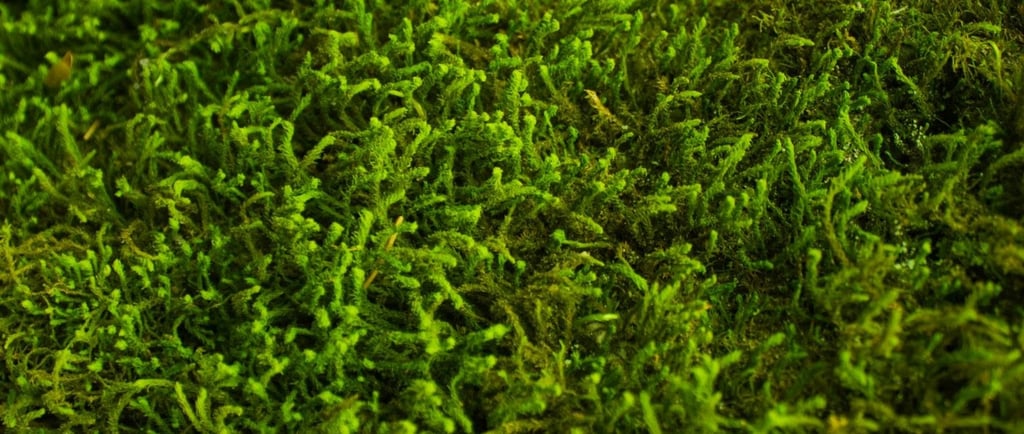
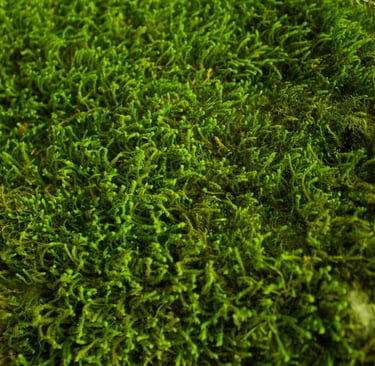
If you live in Cardiff and have noticed green, spongy patches spreading across your lawn, you may be wondering: “Why do I have moss in my lawn?” Moss is a common problem in South Wales gardens, particularly in the damp, cool climate of Cardiff. While moss itself isn’t harmful, its presence often indicates underlying issues with your lawn that need addressing.
This guide explains the main reasons moss grows in lawns, why it spreads, and what homeowners can do to prevent it.
What Is Moss and Why Does It Grow?
Moss is a small, non-flowering plant that thrives in conditions where grass struggles. Unlike grass, moss does not have deep roots, meaning it can grow on compacted soil, in shady areas, and even in acidic or nutrient-poor environments. While moss can give a lawn a “green” appearance, it usually outcompetes grass, leaving your lawn patchy and uneven.
In Cardiff, moss is particularly common because the local climate provides the damp and shaded conditions that moss prefers. Frequent rainfall, mild winters, and limited direct sunlight in some areas make moss growth more likely than in drier parts of the UK.
Common Reasons Moss Appears in Lawns in Cardiff
There are several factors that contribute to moss taking hold in your lawn:
1. Damp and Wet Conditions
Cardiff has a temperate maritime climate with high rainfall throughout the year. Lawns that remain wet for long periods create the perfect environment for moss to grow. Unlike grass, moss absorbs water directly from the surface, meaning it thrives in soggy conditions while grass roots struggle.
Poor drainage, low-lying areas, or spots where water pools after rain are particularly susceptible. If your lawn feels soft or spongy underfoot, this is a strong sign that moisture may be encouraging moss growth.
2. Shaded Areas
Moss thrives in shade, while grass needs sunlight to grow strong and healthy. Lawns shaded by tall trees, buildings, fences, or hedges often develop weak grass that moss can easily replace.
In Cardiff gardens, north-facing lawns or lawns with dense tree cover can become hotspots for moss. Without enough light, grass is less able to photosynthesize and compete, allowing moss to spread.
3. Compacted Soil
Soil compaction is a major contributor to moss growth. When soil is compacted, water cannot drain properly, and grass roots cannot grow deeply. Moss, which doesn’t need deep roots, thrives in these conditions.
High-traffic areas, like lawns used by children, pets, or as pathways, are often compacted. Aerating the soil helps grass roots grow stronger and reduces moss establishment.
4. Low Soil pH (Acidic Soil)
Moss prefers acidic soil, which is common in Cardiff gardens. Grass grows best in slightly acidic to neutral soil, with a pH between 6 and 7. When soil becomes too acidic, grass struggles, and moss quickly takes advantage.
Testing your soil’s pH and applying lime if necessary can help restore balance, making it harder for moss to spread and improving grass health.
5. Poor Lawn Care Practices
Weak grass is less able to compete with moss. Several lawn care habits can unintentionally encourage moss:
Cutting grass too short: Scalping the lawn stresses the grass and exposes soil for moss to grow.
Inconsistent mowing: Irregular mowing weakens grass and gives moss an advantage.
6. Seasonal Factors
Moss often becomes more noticeable during cool, wet seasons. In Cardiff, moss growth tends to accelerate in autumn and winter, when grass slows its growth but moss continues to thrive. Lawn problems caused by moss usually become most visible in early spring, when patchy areas appear green and spongy.
How to Tell If Your Lawn Is at Risk
Certain signs indicate that your lawn is likely to develop moss:
Patchy, dark green, spongy areas
Slow or uneven grass growth
Shady areas under trees or near fences
Waterlogged or compacted soil
Recognising these signs early allows homeowners to take preventative measures before moss spreads extensively.
Solutions for Moss in Cardiff Lawns
Preventing and controlling moss requires a combination of lawn care, soil management, and environmental adjustments:
1. Improve Drainage
Ensure water does not pool on your lawn. Leveling low spots, adding drainage channels, or improving soil structure with sand or topsoil can help reduce wet conditions that encourage moss growth.
2. Reduce Shade
Trim overhanging branches and thin dense foliage to allow more sunlight to reach the grass. Sunlight strengthens grass, making it less vulnerable to moss.
3. Aerate and Scarify
Aeration loosens compacted soil, allowing roots to grow deeply and water to drain properly. Scarification removes moss and thatch from the lawn surface, giving grass space to grow and compete effectively.
4. Adjust Soil pH
Test your soil to check acidity levels. If your lawn is too acidic, applying lime can raise the pH, creating conditions more favourable for grass and less suitable for moss.
5. Maintain Strong Grass Growth
Healthy grass naturally competes with moss. Regular mowing (not too short), fertilisation, and overseeding bare patches strengthen your lawn and reduce moss spread.
Conclusion
If you’re asking, “Why do I have moss in my lawn?”, the answer usually involves a combination of damp conditions, shade, compacted soil, acidic soil, and weak grass. Moss thrives where grass struggles, creating patchy, uneven lawns that are difficult to maintain.
Homeowners in Cardiff can tackle moss by improving drainage, reducing shade, aerating soil, adjusting pH, and maintaining strong grass. For the best results, professional lawn care services offer expert treatments and ongoing maintenance to keep lawns moss-free and healthy year-round.
By understanding why moss spreads and taking proactive steps, you can restore your lawn to a lush, green, and inviting space—perfect for your Cardiff garden.